Boilies vs. Corn vs. Pellets: A Strategic Guide on When to Use Each Bait
Walk into any tackle shop, and you’ll be faced with the “big three” of carp baits: the classic boilie, the humble can of sweetcorn, and the modern, high-attract pellet. Every single one of them catches carp, but the expert angler knows they are not interchangeable. Each is a specialized tool with unique strengths and weaknesses.
Knowing when to use a boilie, why to choose corn, or how to best apply pellets is a fundamental skill that separates a good angler from a great one. This guide will break down the strategic pros and cons of each, helping you make the right choice on the bank.
The Specimen Hunter’s Choice: Boilies
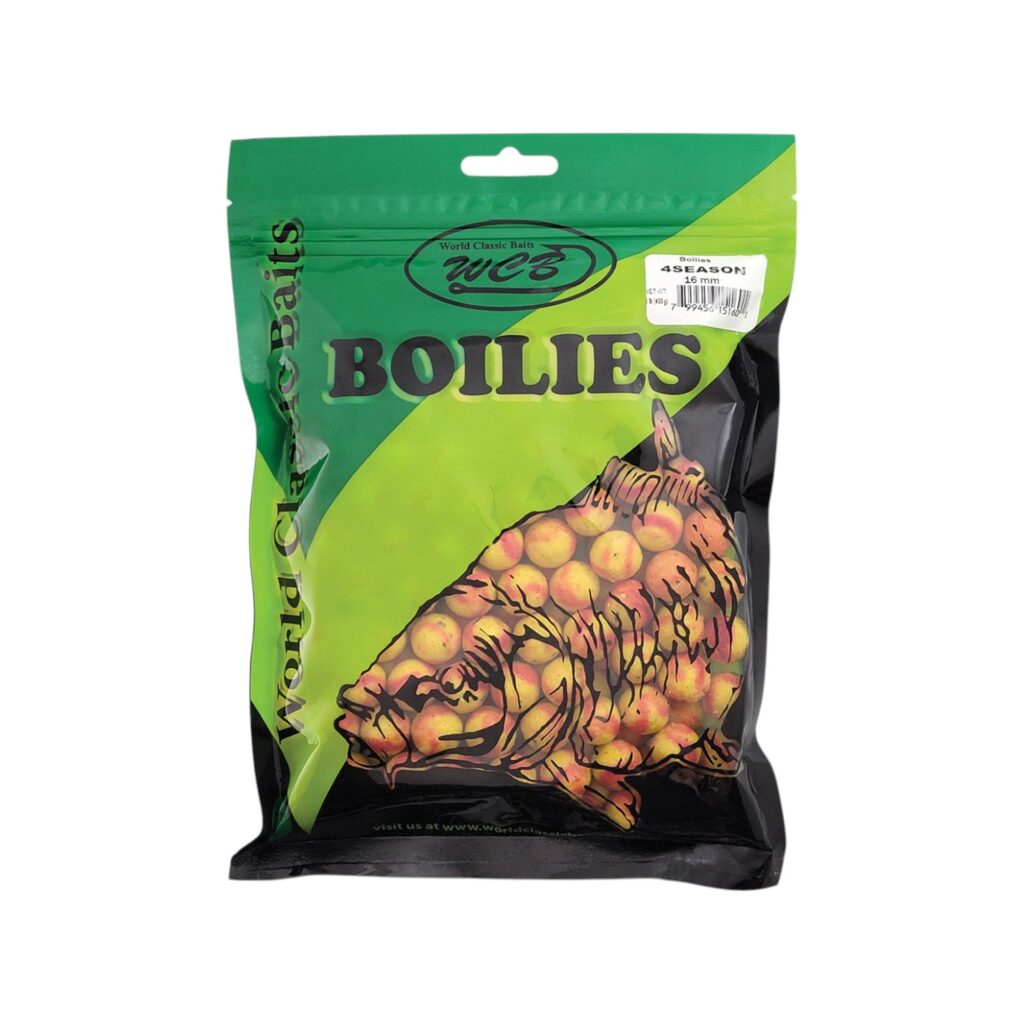
Boilies are hard-boiled baits that were introduced to carp angling in the UK in the late 1970s, according to the American Carp Society. They were originally made from eggs and flour or semolina, then boiled to form a tough skin.
- Pros:
- More Selective: Many carp anglers choose boilies because the hard skin is tough for small fish to pick apart.
- Durable: The boiled skin helps a boilie stay on your hair rig through long sessions.
- Good for Pre-Baiting: Connecticut’s fisheries agency notes that many carp anglers pre-bait a spot so carp are already coming there to feed.
- Versatile: Available in endless sizes, flavors, and types, from sinking bottom baits to buoyant pop-ups.
- Cons:
- Can be more expensive than particles or pellets.
- On some “uneducated” waters, carp may need a period of pre-baiting to accept them as food.
- The Verdict: The number one choice for targeting specimen carp, for any long-duration session, or for fishing on waters where small fish are a problem.
The Old School Classic: Sweetcorn
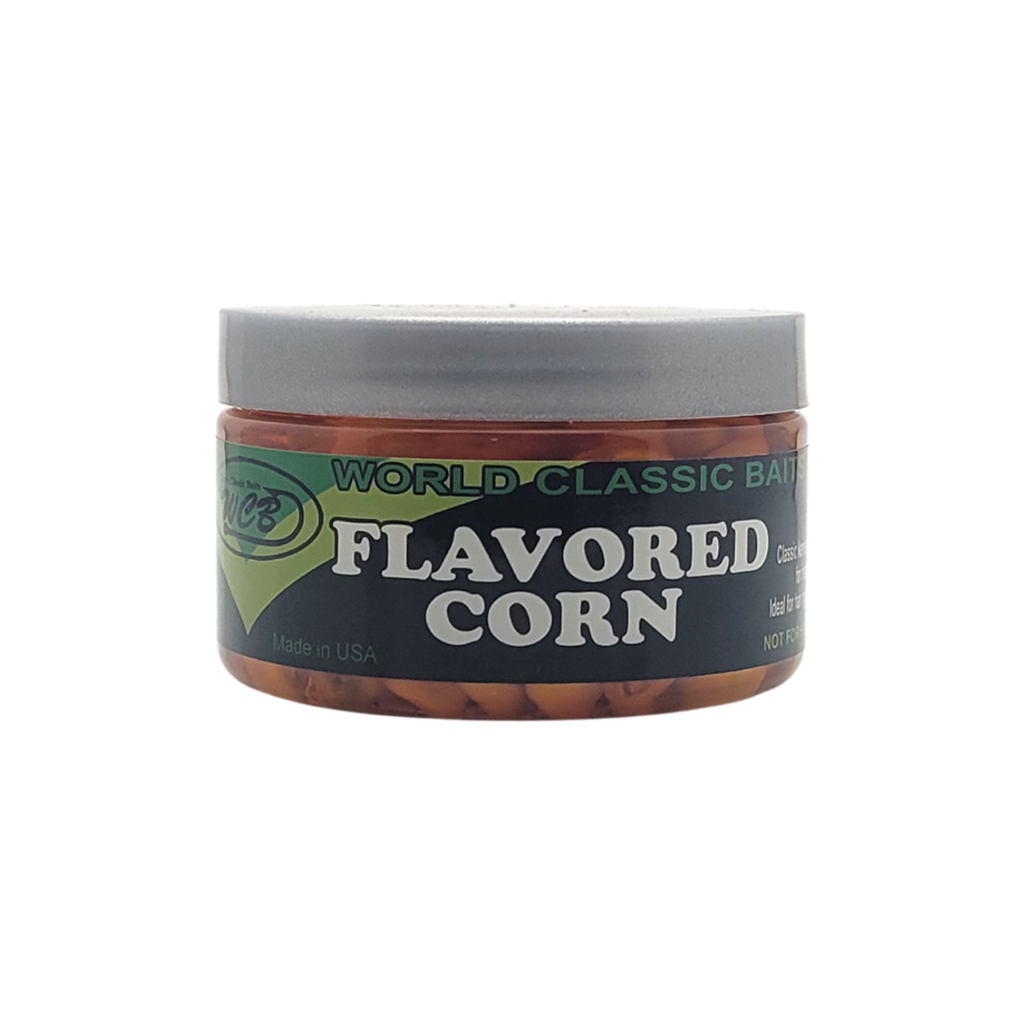
It’s cheap, it’s bright yellow, and it’s been catching carp for longer than any of us have been alive. Sweetcorn is an instant attractor that very few fish can resist.
- Pros:
- Fast Attraction: In a University of Minnesota field study, wild carp “responded quickly to bait” of cracked corn.
- Cost-Effective: Incredibly cheap and available in any grocery store.
- Visually Striking: A small pile of yellow corn stands out on almost any lakebed.
- Cons:
- Selectivity Varies: The same Minnesota study found native fish in that region were not attracted to cracked corn, so corn can be more carp-selective than its reputation.
- Low Durability: It’s very soft and can be easily nibbled off the hair by nuisance fish.
- The Verdict: Perfect for getting quick bites, for margin fishing where you can see the fish take the bait, or for adding a splash of bright, visual color to a spod mix.
The Scent Trail King: Pellets
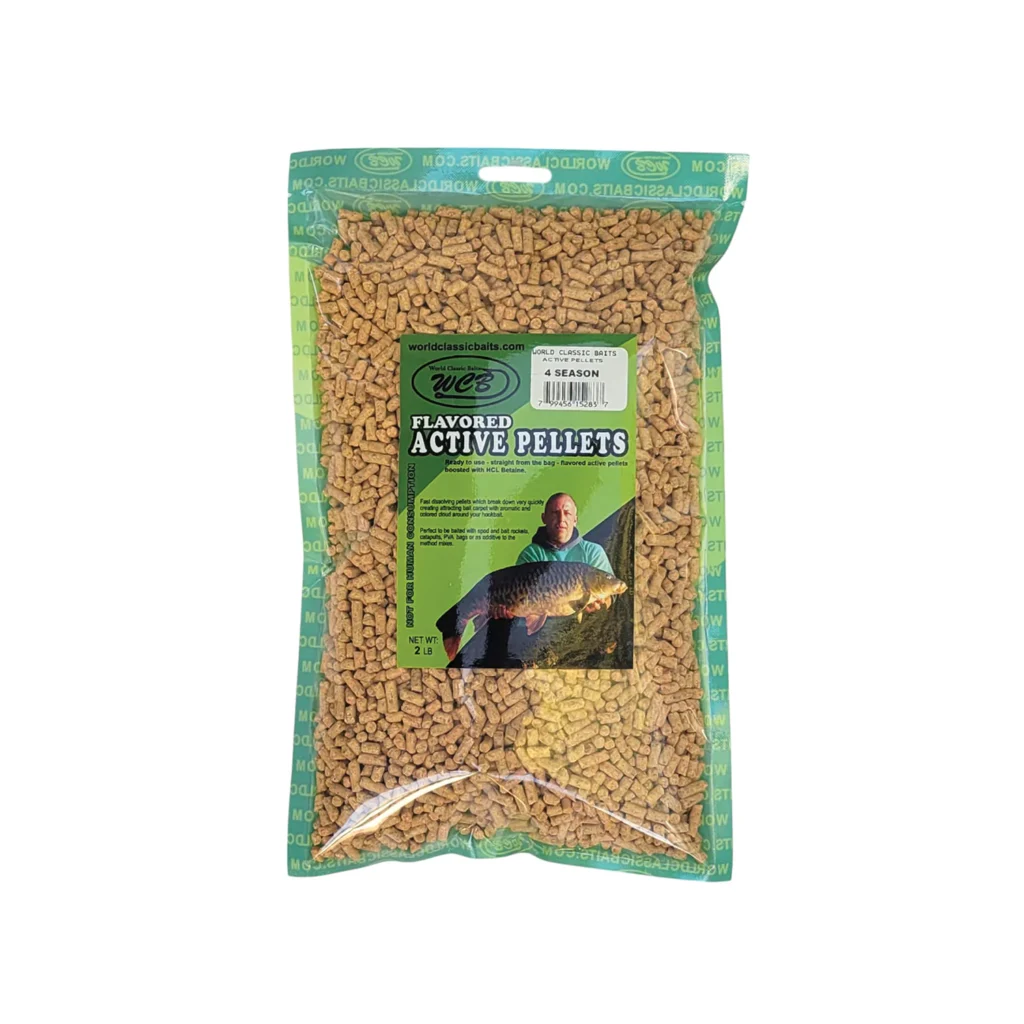
Pellets are compressed cylinders of ground ingredients and attractants designed to break down in the water, releasing a powerful cloud of scent and food signals.
- Pros:
- Extreme Attraction: Pellets, especially oily ones, leak scent into the water as they break down.
- Versatile for Feed: The number one choice for filling PVA bags and a key ingredient in Method and spod mixes.
- Cons:
- Feed, Not Hookbait: Feed pellets soften and break down in water, so most anglers use them as feed rather than on the hook.
- Also Attracts Nuisance Fish: The powerful scent will draw in all species.
- The Verdict: An unbeatable tool for adding fast, potent attraction to your swim. They are the “activator” for your feed, not the main hookbait for a long wait. We cover many ways to use them in our 5 Creative Ways to Use Active Pellets guide.
Pro-Tip from Erni: The Master Strategy – Use Them All!
The best anglers don’t choose just one; they combine their strengths. Create a spod mix with a base of our Oats Pack and sweetcorn for visual appeal and bulk. Add a generous handful of Active Pellets for a fast, potent scent release. Then, fish a highly attractive Boilie Hookbait over the top. This multi-layered approach gives the carp everything they want and makes your hookbait the ultimate, high-value prize.
The Final Verdict: A Quick-Reference Table
| Bait | Selectivity | Durability on Rig | Main Purpose |
|---|---|---|---|
| Boilie | High | High (hard boiled skin) | Specimen Hookbait & Quality Feed |
| Corn | Varies | Low (soft) | Instant Visual Attraction |
| Pellet | Low | Not Usable | Fast Scent Attraction / Feed Booster |
There is no single “best bait,” only the “best bait for the situation.” To match each one to what carp eat in the wild, see our guide to the best bait for carp. Understanding the unique role of each of these three powerhouses will allow you to make smarter decisions on the bank and, ultimately, put more fish in your net.
Still weighing up your first purchase? Our guide to carp bait for beginners covers what to buy first and what a starter setup costs.
Frequently asked questions
What are boilies?
Boilies are hard-boiled baits first used for carp in the UK in the late 1970s, according to the American Carp Society. They were originally made from eggs and flour or semolina, then boiled to form a tough skin.
Pellets or boilies: which should I use?
Use them together. Pellets work best as feed, and a boilie is the better hookbait. Our Active Pellets and 16mm Boilies share most of the same flavors, so you can match your feed to your hook.
Is corn a good bait for carp?
Yes. The Texas state record common carp, 43.75 lb from Lady Bird Lake in 2009, was caught on maize, according to Texas Parks and Wildlife records. In a University of Minnesota study, wild carp “responded quickly to bait” of cracked corn.
Last updated: October 27, 2026.