Carp Fishing in Indiana: Best Lakes, Rivers & Rules
Last updated: October 31, 2026 · Written by Erni, World Classic Baits
Indiana biologists found common carp in 46 of the 88 reservoirs they surveyed from 2016 to 2023. This guide shows which of those lakes the Indiana DNR rates highest for carp, gar and buffalo. It also covers the 2026-27 license fees, the rules for a carp session and the waters where you shouldn’t eat your catch.
The short version
- The state record is 43 lb 4 oz, caught in Pike Lake, Kosciusko County, in 1989.
- Top-rated reservoirs include Patoka, Brookville, Mississinewa, Salamonie and Eagle Creek.
- A resident license costs $23 for 2026-27. Anglers under 18 don’t need one.
- You can fish up to three poles on inland waters. The Ohio River has no pole limit.
- Don’t eat carp from Lake Michigan, Palestine Lake, Clear Lake (LaPorte County) or the lower St. Joseph River.
Is Indiana good for carp fishing?
Yes. In its 2016-2023 reservoir summary, the Indiana DNR sampled 88 public impoundments. Common carp turned up in 46 of them, more than half of the lakes surveyed.
The fish get big, too. The Indiana state record is a 43 lb 4 oz common carp. Russell Long caught it in Pike Lake, Kosciusko County, in 1989. It still stands.
One thing to know: the DNR lists common carp under “Other Regulated Invasive Fish or Species of Concern.” That shapes a few of the rules below, like the ban on carp as live bait.
Which Indiana lakes are best for carp?
The DNR doesn’t publish a carp ranking. Its closest measure is the “Bowfishing” ranking in the same summary. It is based on “the relative abundance of Common Carp, gar species and buffalo species.” So a top score means plenty of rough fish, carp included. These are the larger public reservoirs that scored well.
| Reservoir | County | Size | DNR rating | Last survey |
|---|---|---|---|---|
| Patoka | Orange | 8,706 acres | Excellent | 2019 |
| Brookville | Franklin | 5,260 acres | Excellent | 2022 |
| Mississinewa | Miami | 3,180 acres | Excellent | 2016 |
| Salamonie | Huntington | 2,860 acres | Excellent | 2021 |
| Harden | Parke | 2,060 acres | Excellent | 2017 |
| Morse | Hamilton | 1,500 acres | Excellent | 2019 |
| Cagle’s Mill | Owen | 1,400 acres | Excellent | 2021 |
| Eagle Creek | Marion | 1,350 acres | Excellent | 2019 |
| Monroe | Monroe | 10,603 acres | Good | 2022 |
| Geist | Hamilton | 1,890 acres | Good | 2017 |
Want a real number? Mississinewa Lake has one. In the DNR’s 2024 survey, biologists caught 29 common carp from 9.6 to 24.5 inches long. That was 4.6% of all fish sampled.
Live in central Indiana? Eagle Creek is in Marion County, home to Indianapolis. Morse and Geist are in neighboring Hamilton County.
Which Indiana rivers hold carp?
The big rivers. The DNR’s 2020 survey of the West Fork White River near Paragon, Morgan County, lists common carp under “Best Fishing,” next to spotted bass, catfish and sauger. DNR electrofishing on the Wabash and Ohio rivers also turns up common carp, though those surveys target bighead and silver carp (more on those below).
New to river carp? Look for deep, slow water near cover, backwaters and side channels. Our step-by-step guide on how to fish for carp explains why.
Do you need a license to fish for carp in Indiana?
Yes, from age 18. The 2026-2027 Indiana Fishing Regulations Guide exempts “Residents and nonresidents under age 18.” These are the DNR’s prices for licenses valid from April 1, 2026, to March 31, 2027.
| License | Price (2026-27) |
|---|---|
| Resident annual | $23 |
| Resident one-day | $10 |
| Resident senior annual (64+, born after March 31, 1943) | $3 |
| Non-resident annual | $60 |
| Non-resident one-day | $15 |
| Non-resident seven-day | $35 |
Want to try it free? Indiana runs Free Fishing Days. In 2026 they fell on May 10, June 6-7 and September 26. They apply to Indiana residents only. The DNR had not announced the 2027 dates as of 10/31/2026.
Fishing a state park or state-managed lake? The daily entrance fee is $7 per vehicle with Indiana plates and $15 for out-of-state plates.
What are the carp fishing rules in Indiana?
The DNR’s regulations guide covers the rules that matter for a carp session. It is a summary, not the full law, so check anything unusual with the DNR.
| Question | Indiana rule |
|---|---|
| Daily limit and size | Carp are not listed in the guide’s statewide bag and size table |
| Number of poles | No more than three poles or hand lines at a time on inland waters |
| Hooks | Up to three hooks or lures per line |
| Ohio River | “An unlimited number of poles” plus up to two trot lines per person |
| Carp as bait | “Carp cannot be used as live bait at any location” |
| Bowfishing | Common carp can be taken with a bow or crossbow year-round, at any time of day; a fishing license is required |
| Chumming | The guide doesn’t address it. Fish parts must not be dumped into state waters |
What about invasive carp in Indiana?
Bighead and silver carp are a different story. The DNR says they have spread into the Ohio, White and Wabash rivers, “where they are now common.” The regulations guide lists bighead, black and silver carp as “illegal to possess alive.”
Catch one, and it must be killed right away. Remove the head, remove the gills on at least one side or gut it. Then, as the DNR puts it, “eat it, put it in the trash, or use it as cut bait.” Never release live fish into another water. The guide calls that illegal without a stocking permit.
Can you eat carp from Indiana waters?
In moderation. Indiana’s statewide safe eating guidelines (January 23, 2026) advise one meal per week of common carp, any size. That advice applies when a water has no stricter listing of its own.
Some waters do. The regulations guide puts common carp in Group 5, “Do Not Eat,” in these places:
- Lake Michigan (Lake, LaPorte and Porter counties)
- Palestine Lake (Kosciusko County)
- Clear Lake (LaPorte County)
- St. Joseph River, from Twin Branch Dam to the Michigan line
On the Ohio River, the advice for common carp is one meal per week. For any other lake or river, check the site map on the Indiana Department of Health fish consumption page before you keep a fish. Planning to release it? Our guide to carp fishing in the USA covers safe release step by step.
What should you check before an Indiana carp trip?
Four quick checks save most of the trouble on the bank:
- License: buy it before you cast if you’re 18 or older. A one-day license costs $10 for residents and $15 for visitors.
- Entrance fee: state parks and state-managed lakes charge per vehicle at the gate.
- Rod count: three poles is the inland limit. Only the Ohio River allows more.
- Eating advice: look up your lake on the Health Department map before you keep a fish.
What bait works for carp in Indiana?
The same baits that work across the country: corn, dough baits and boilies. Corn is the easiest start. Boilies on a hair rig are the usual choice when you target bigger fish.
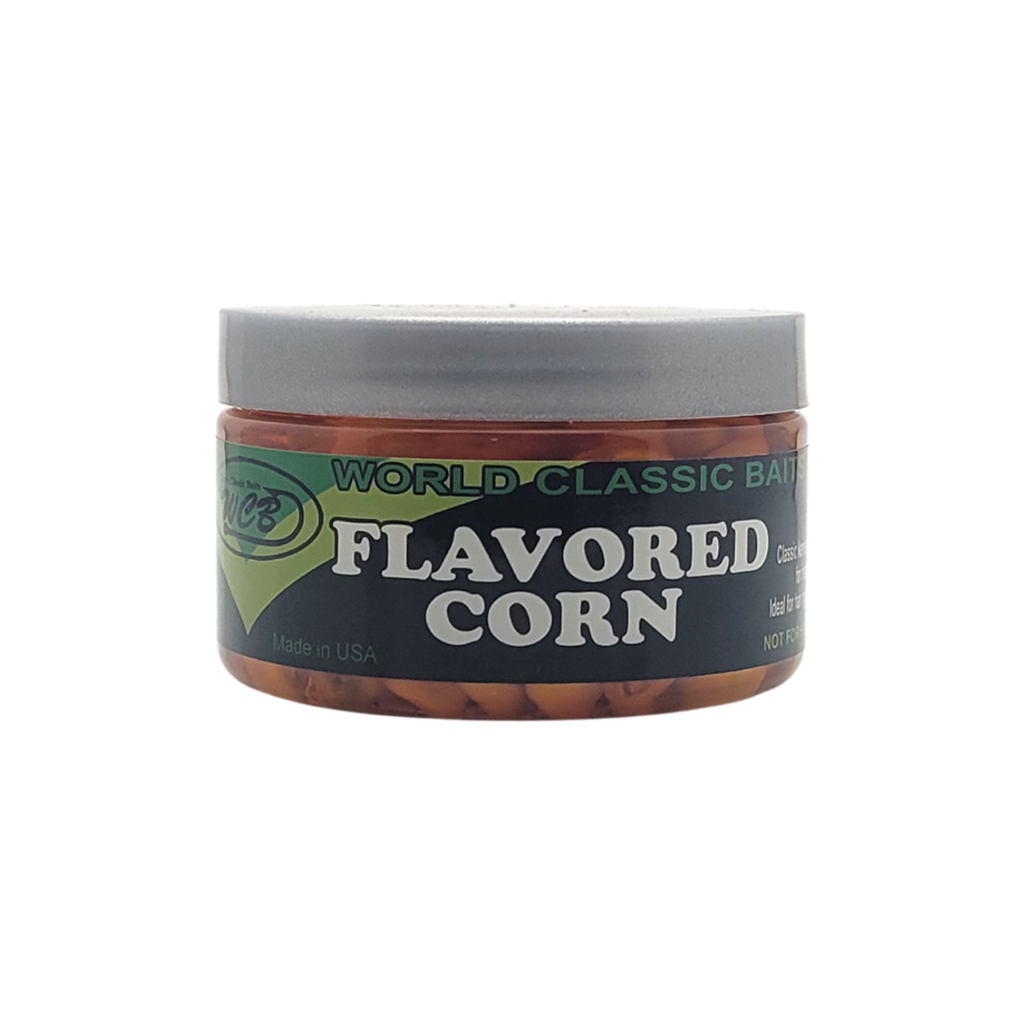
- Corn: Flavored Corn or Jumbo Corn for the hook and the swim.
- Boilies: 16mm or 20mm boilies on a hair rig for bigger fish.
- Groundbait: Erni’s Method Mix to hold fish in one spot.
- Dough baits: our dough bait range for quick bank sessions.
Not sure which to choose? Our guide to the best bait for carp matches baits to what carp eat in the wild.
How do you set an Indiana state record?
Beat 43 lb 4 oz with a legal hook-and-line catch from Indiana waters. The Indiana Record Fish Program requires a weigh-in before the fish is frozen, on a scale certified by the state “to be accurate to 1 ounce.” Two witnesses who are not relatives must sign the entry. Fish from waters on artificial feeding programs don’t count. Entry is free.
Frequently asked questions
What is the Indiana state record carp?
A 43 lb 4 oz common carp caught by Russell Long in Pike Lake, Kosciusko County, in 1989. The grass carp record is bigger: 69 lb, from Westons Pond in Hamilton County in 2018. Both were on the DNR’s list as of 10/31/2026.
Is there a limit on carp in Indiana?
Carp don’t appear in the statewide bag and size table of the 2026-2027 regulations guide. The guide is a summary, so check with the DNR if you plan to keep a lot of fish. Bighead, black and silver carp must be killed, not released alive.
How many rods can you use in Indiana?
Up to three poles or hand lines at a time on inland waters, with no more than three hooks or lures per line. On the Ohio River, the guide allows an unlimited number of poles.
Where is the best carp fishing in Indiana?
The DNR rates Patoka, Brookville, Mississinewa, Salamonie and Eagle Creek “Excellent” for carp, gar and buffalo combined. The state record came from Pike Lake in Kosciusko County.
About the author
Erni is the bait maker behind World Classic Baits, which has made groundbaits, boilies, and pellets for carp in the USA since 2008. Every recipe is tested in real fishing sessions before it reaches you.
Sources
- Indiana DNR – Indiana Impoundments Status and Trends Summary 2016-2023
- Indiana DNR – Mississinewa Lake 2024 Status and Trends Survey
- Indiana DNR – West Fork White River 2020 Survey, Paragon
- Indiana DNR – Indiana’s Record Fish List
- Indiana DNR – Indiana Record Fish Program
- Indiana DNR – License Fees
- Indiana DNR – Free Fishing Days
- 2026-2027 Indiana Fishing Regulations Guide
- Indiana DNR – Invasive Carp
- Indiana DNR – Aquatic Invasive Species: Fish
- Indiana Department of Health – Statewide Safe Eating Guidelines
- Indiana Department of Health – Fish Consumption Guidelines
- Indiana DNR – State Parks Entrance Fees
Rules, fees and advisories were read on 10/31/2026 and change from season to season. Confirm the current rules with the Indiana DNR before you fish.